
The first impression of your event doesn’t start when the lights go down, or the keynote speaker takes the stage. It begins the moment a potential guest decides to buy a ticket. Long queues, cumbersome payment processes, and the fear of losing a paper ticket can create friction before the event even starts. By embracing a modern event ticketing system, you can transform this initial interaction into a seamless, positive experience that sets the tone for the entire event.
Adopting contactless ticketing is more than a trend; it’s a strategic move to enhance guest satisfaction, streamline operations, and ultimately boost your event ticket sales. This guide will explore how this technology works, its direct benefits for your attendees, and how you can leverage it as a powerful component of your event marketing strategy. We’ll cover everything from the core ticketing features to how you can sell tickets online more effectively, providing you with a comprehensive understanding of this essential event tool.
What is Contactless Ticketing?
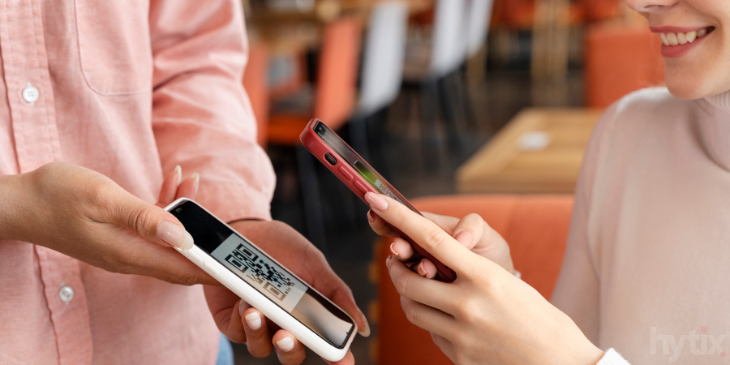
At its core, contactless ticketing eliminates the need for physical paper tickets or cash transactions at the point of entry. Instead, attendees use a digital credential stored on their smartphone, a wearable device, or a smart card. This credential, often a QR code or an NFC-enabled pass, is scanned at the entrance, providing quick and secure access.
Understanding Mobile Tickets
Let’s know about, what is a mobile ticket? Simply put, a mobile ticket is a digital version of a traditional paper ticket that lives on a smartphone. Attendees receive it via email, a text message, or through a dedicated event app after purchasing their online event ticket.
So, what are mobile tickets in practice?
- QR Codes: The most prevalent form. A unique square barcode is generated for each ticket. Guests present this code on their phone screen to be scanned at the gate.
- NFC (Near Field Communication): This is the technology behind “tap-to-pay” services. With NFC-enabled tickets, or tap tickets, guests simply tap their phone or a smart card on a reader for instant validation. It’s faster and more secure than scanning a QR code.
This technology is facilitated by a robust Ticketing System that integrates the online purchase process with the on-site validation hardware. From a sophisticated box office system to a simple handheld scanner, the right ticketing software makes the entire process feel effortless for both you and your guests.
The Attendee Advantage: A Frictionless Guest Experience
The primary goal of any event organizer is to create a memorable and positive experience. The check-in process is your first opportunity to deliver on that promise. Long lines and confusing entry procedures create stress and frustration, tainting the guest’s perception before they’ve even stepped inside. A contactless ticketing system directly addresses these pain points.
Eliminating Queues and Reducing Wait Times
The most visible benefit of contactless entry is speed. Scanning a QR code or tapping a phone takes mere seconds. Compare this to the traditional method: a guest fumbles for a paper ticket; staff must visually inspect it (and sometimes cross-reference a list) and then tear a stub. This process can take 15-30 seconds per person.
Now, multiply that by hundreds or thousands of attendees. The time savings are immense. A contactless ticketing system can process guests three to five times faster than traditional methods, drastically reducing the length of entrance queues. This means happier guests who spend less time waiting and more time enjoying the event you’ve worked so hard to create.
The Convenience of Digital Access
In an age where people manage their lives on their smartphones, forcing them to print and protect a paper ticket feels outdated. Mobile ticketing offer unparalleled convenience:
- Always Accessible: Tickets are stored securely on a device that people rarely leave behind.
- Easy to Find: No more panicked searching through bags or pockets. A quick search in an email inbox or wallet app brings the ticket right up.
- Simple to Transfer: If a guest can’t make it, they can often transfer their online event ticket to a friend digitally, without the hassle of a physical handoff.
This convenience reduces pre-event anxiety for attendees, contributing to a more relaxed and positive mindset as they arrive.
Enhanced Health and Safety
While the initial push for contactless solutions was accelerated by health concerns, the benefits persist. Reducing physical touchpoints minimizes the exchange of germs, creating a cleaner and safer environment for everyone involved. This consideration is no longer a temporary measure but a new standard of guest care that attendees have come to expect. It shows you prioritize their well-being, building trust and confidence in your brand.
Boosting Your Bottom Line: How Contactless Ticketing Drives Revenue
While improving the guest experience is a worthy goal, a contactless ticketing system also delivers significant financial advantages. It’s a powerful tool for increasing event ticket sales, optimizing operational costs, and unlocking new revenue streams.
Streamlining the Sales Process to Sell Tickets Online
The easier you make it for someone to buy a ticket, the more likely they are to complete the purchase. Modern ticketing software provides a smooth, intuitive online purchasing journey. Customers can buy tickets from their computer or phone in just a few clicks, receive their mobile ticket instantly, and have it ready for the event.
This seamless process reduces “cart abandonment,” where potential customers drop off before finalizing their purchase due to a clunky or confusing interface. Every barrier you remove, from mandatory account creation to complicated payment steps, directly translates into a higher conversion rate and more event ticket sales.
Leveraging Data for a Smarter Event Marketing Strategy
One of the most powerful ticketing features of a digital system is the data it provides. Every online event ticket sold is a data point. You know who bought the ticket, when they bought it, and potentially their demographic information. This data is marketing gold.
You can use this information to:
- Understand Your Audience: Identify your key demographics and tailor your event promotion ideas to reach similar audiences.
- Track Marketing Effectiveness: See which promotional channels are driving the most sales by using unique tracking links. Did that social media ad work? Is your email newsletter converting? The data will tell you.
- Implement Dynamic Pricing: Adjust ticket prices based on demand. You can create early-bird discounts to drive initial sales and see in real-time when to phase them out.
- Retarget and Re-engage: Build an email list of past attendees and ticket purchasers. You can easily notify them of future events, offer exclusive loyalty discounts, and build a dedicated community around your brand.
Reducing Operational and Staffing Costs
A traditional box office ticketing system requires significant resources. You need to print tickets, manage physical inventory, and staff multiple windows or entry points with people trained to handle cash and validate paper tickets.
A contactless ticketing system automates much of this work:
- No Printing Costs: Eliminating paper tickets saves money on printing, distribution, and specialty security paper.
- Efficient Staffing: Since entry is faster, you may need fewer staff members at the gates. Your team can be redeployed to more value-added roles, like guest services or merchandise sales.
- Simplified Cash Management: With all sales happening online, you dramatically reduce the amount of cash handled on-site, which in turn lowers the risks of theft, miscounts, and the costs associated with cash transport and reconciliation.
Expanding Your On-Site Capabilities with Integrated Technology
A modern Ticketing System can do more than just get people through the door. It can serve as the central hub for a fully integrated on-site experience, further enhancing guest satisfaction and opening up new avenues for revenue and engagement.
Self-Service Solutions: The Role of the Ticketing Kiosk
What about last-minute attendees or those who are less comfortable with buying tickets online? A ticketing kiosk is the perfect solution. These self-service stations bridge the gap between a traditional box office and a purely digital system.
A ticket kiosk allows guests to:
- Purchase Tickets On-Site: Guests can walk up, select their tickets on a touchscreen, and pay with a credit or debit card.
- Print a Pass: For those who prefer a physical credential or whose phone has died, a kiosk can print a receipt with a QR code.
- Avoid the Main Box Office Line: Kiosks are fast and intuitive, offering a quick alternative to waiting for a staff-operated box office system.
Integrating a ticket kiosk into your setup ensures you cater to all guest preferences while keeping your entry process as efficient and contactless as possible.
Integrating Cashless Payments and Access Control
The same technology that powers your contactless ticketing, NFC or QR codes, can be used for more than just entry. You can extend the system to manage:
- Cashless Payments: Allow attendees to link their credit card to their ticket/wristband. They can then make “tap-to-pay” purchases for food, drinks, and merchandise throughout the venue. This is not only convenient for guests but has been shown to increase average spend per person.
- Access Control: Use the system to manage entry to VIP lounges, backstage areas, or specific workshops. A quick scan determines a guest’s access level, eliminating the need for separate credentials or wristbands.
- Brand Activations: Sponsors can integrate the technology into their booths. A tap or scan could enter a guest into a giveaway, deliver a digital coupon, or provide access to exclusive content, creating a measurable and engaging activation.
Choosing the Right Ticketing System With Key Features
With a clear understanding of the benefits, the next step is selecting the right ticketing software for your needs. The market is full of options, but a powerful and flexible platform will offer a specific set of ticketing features that are crucial for success.
Essential Ticketing Features to Look For:
- Fully Integrated Platform: Your system should seamlessly handle online sales, mobile ticketing, on-site scanning, and box office/kiosk sales from a single, unified dashboard.
- Customizable Event Pages: You need the ability to create a branded, professional-looking event page that reflects your event’s identity and provides all necessary information for potential buyers.
- Flexible Ticket Types: The software should support general admission, timed entry, tiered pricing, VIP packages, and discount codes.
- Robust Reporting and Analytics: A powerful dashboard that gives you real-time insight into sales, attendee demographics, and marketing channel performance is non-negotiable.
- Marketing and Promotion Tools: Look for built-in email marketing capabilities, social media integration, and tools to create and track promotional codes.
- Reliable Hardware Options: The provider should offer durable and fast scanners, NFC readers, and options for a modern box office ticketing system or ticketing kiosk.
- Secure Payment Processing: Ensure the system is PCI compliant and offers a secure, trusted payment gateway for your customers.
Understanding Ticketing System Charges
When evaluating providers, it’s crucial to understand their fee structure. Ticketing system charges typically come in a few forms:
- Per-Ticket Fee: A flat fee or a percentage of the ticket price. This is the most common model.
- Monthly or Annual Subscription: A recurring fee for using the software, which may or may not include per-ticket charges.
- Option to Pass Fees to the Buyer: Many systems allow you to pass the service fee on to the customer, so the platform is effectively free for you to use.
Make sure to ask for a transparent pricing structure. Inquire about fees for payment processing, hardware rental, and any add-on features. A slightly higher fee may be worth it if the system offers superior features that will help you boost your event ticket sales and save on operational costs elsewhere.
Crafting Your Event Promotion Ideas Around Contactless Tech
Your new contactless ticketing system isn’t just an operational tool; it’s a marketing asset. You can build compelling event promotion ideas around the convenience and modern appeal of your ticketing process.
- Highlight “Instant Mobile Delivery”: In your marketing copy, emphasize that guests will receive their tickets on their phone immediately after purchase.
- Promote “Skip the Line” Access: Frame your contactless entry as a premium benefit. Use catchy tag line like “Scan & Go” or “Express Entry” to make ease check-in process.
- Run Early-Bird Campaigns: Use your ticketing software to schedule automated price increases. Create urgency by promoting “Prices go up on Friday!” to encourage immediate ticket purchases.
- Leverage Affiliate and Referral Programs: Some platforms allow you to create unique links for partners, influencers, or sponsors. You can track sales from each source and offer them a commission, expanding your marketing reach at no upfront cost.
- Create Scarcity with Ticket Tiers: Announce when a certain ticket tier (e.g., “Tier 1 Early Bird”) is close to selling out. This social proof and scarcity can trigger a wave of sales from those who were waiting to buy.
Final Thought
The event landscape is constantly evolving, and attendee expectations are higher than ever. A slow, inconvenient ticketing process is no longer acceptable. Transitioning to a contactless ticketing system is a fundamental step toward modernizing your operations and future-proofing your events.
By adopting this technology, you do more than just speed up entry lines. You create a superior, safer, and more engaging guest experience from the moment a ticket is purchased. You unlock powerful data that transforms your event marketing strategy from guesswork to a science. You gain the tools to sell ticket online more effectively, optimize revenue through creative promotions, and build a loyal community of attendees.
Investing in the right ticketing software is an investment in the success and growth of your events. By streamlining operations, enhancing the guest journey, and boosting sales, you can focus on what you do best: creating unforgettable live experiences.